




Blog
Caribbean Land Has Potential. Private Funding Can Help Unlock It.

Land can represent tremendous opportunity. But in my experience as a lender, owning valuable property and having the capital to turn it into a viable commercial project are two very different things.
That issue is receiving new attention in Antigua and across the Caribbean.
In September 2026, Prime Minister Gaston Browne of Antigua announced plans to meet with some of the nation’s largest landowning families and encourage them to pursue viable commercial projects on their properties. Potential uses cited include real estate, agriculture and other investments capable of generating economic activity and employment.
The initiative comes as Antigua prepares for an investment forum designed to showcase opportunities in real estate, hotels, port development and other sectors.
For landowners and real estate investors, the news highlights a fundamental question:
When the land is there and the opportunity is there, where does the capital come from?
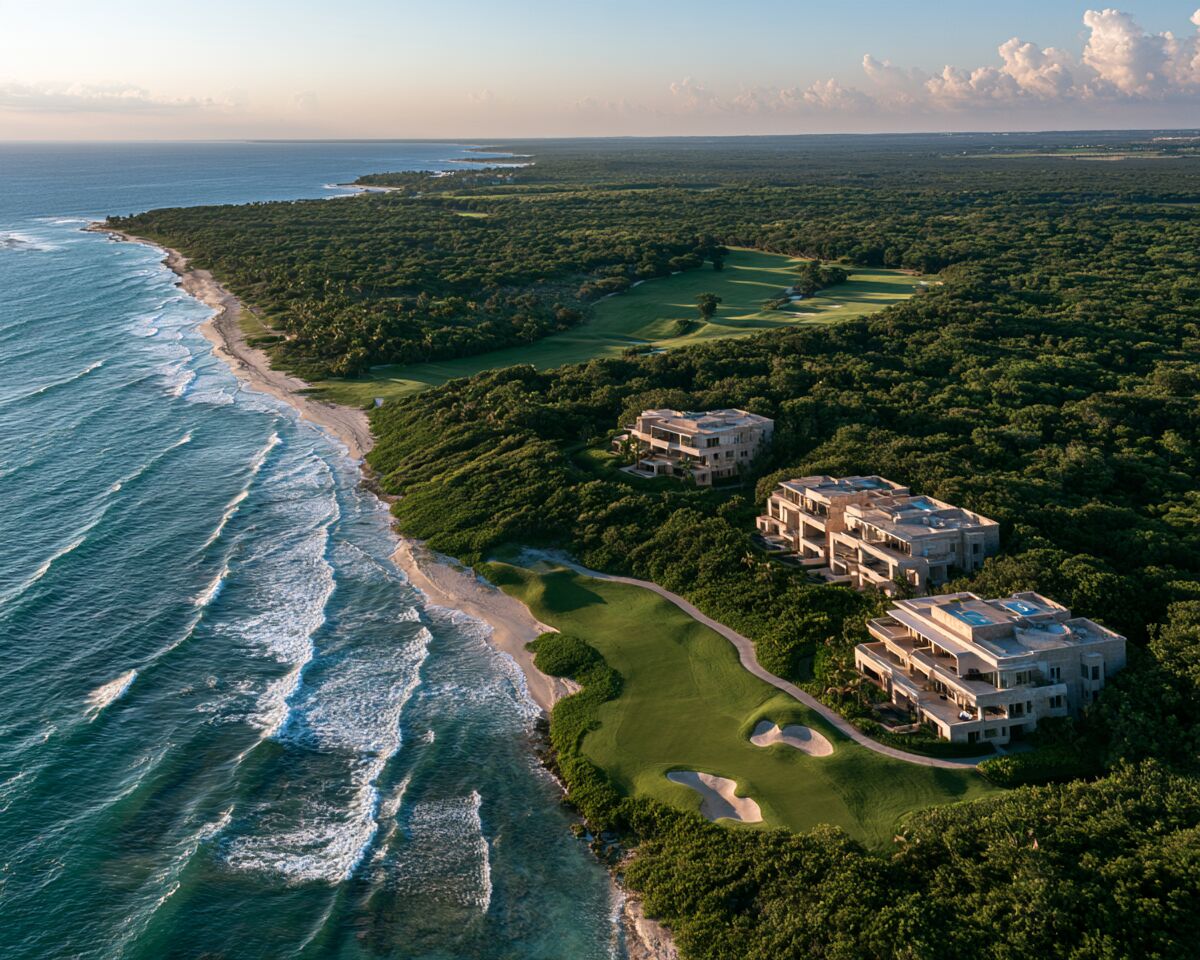
Caribbean Land Is Attracting Attention
Antigua’s effort is part of a broader push to attract capital and put real estate to productive use.
The government is not only encouraging owners of large tracts of land to consider development opportunities. Prime Minister Browne has also discussed connecting international investors with local families and businesses that own beachfront land suitable for development.
That interest extends to hospitality. Browne recently said representatives from Marriott are expected to visit Antigua to explore potential investments at Jolly Beach and other properties.
For owners of valuable land, increased investment activity can create opportunity. But an interested market doesn’t eliminate one of the biggest hurdles facing many real estate projects: financing.
It’s something we see regularly in private lending. A borrower can have a compelling property and a clear vision for it, but that doesn’t necessarily mean the transaction fits the criteria of a traditional financial institution.
Why Land Can Be Difficult to Finance
Land is different from stabilized, income-producing commercial real estate.
An apartment building may have tenants and rental income. A shopping center may have established leases. An operating hotel may have years of financial performance.
Land may have none of those things.
Its value and potential can depend on factors including location, zoning, entitlements, infrastructure, approvals and future development possibilities. Those variables can make traditional financial institutions more cautious about providing financing.
When the property is located internationally, there can be additional considerations.
Different laws, governments, valuation considerations, local real estate practices and market conditions can add complexity to an already challenging transaction.
That’s why I believe experience matters so much in international land lending. The lender needs to understand not only the collateral but also the circumstances surrounding the transaction.
That is where a direct private lender can offer another path.
The Benefits of Private Lending for Caribbean Land
Private land financing can give qualified property owners, investors and developers access to capital when a transaction may not fit neatly within traditional lending parameters.
Rather than relying solely on conventional lending criteria, we can evaluate the underlying real estate securing the loan along with the circumstances surrounding the transaction.
For Caribbean landowners and investors, that flexibility can be particularly important.
Depending on the transaction, land-backed financing can potentially be used for:
Acquisition: An investor may need financing to purchase land before another buyer gets the opportunity.
Refinancing: Existing land can potentially provide collateral to replace current debt or restructure a borrower’s financial position.
Cash-out financing: Owners who have built substantial equity in their real estate may be able to access a portion of that value without selling the property.
Working capital: Land-backed financing can provide capital that helps move a broader real estate opportunity forward.
Kennedy Funding does not provide construction loans. However, a land loan can provide working capital that can be used for construction-related expenses. We have completed land-backed transactions where proceeds were used for infrastructure, site preparation, roadwork, soft costs and other project-related expenses.
For someone who already owns valuable Caribbean land, the ability to potentially access the equity in that property can be significant.
Turning Existing Land Into Access to Capital
Consider the situation currently receiving attention in Antigua and Jamaica.
Some landowners may already control significant real estate. The challenge is not just acquiring the land. It is determining how to capitalize on its potential.
That distinction is important.
A land-backed loan can potentially allow an owner to access capital based on the value of existing real estate without first having to sell the property.
That capital could potentially provide working capital, refinance existing debt or help position the property owner to pursue the next stage of a real estate opportunity.
From a lending perspective, that’s one of the things that makes land-backed financing so interesting: the land itself can become part of the financing solution.
Speed Can Matter When Opportunity Arrives
In commercial real estate, opportunity doesn’t always wait for a traditional lending process.
An investor may have an opportunity to acquire a strategically located parcel. A landowner may need capital to address an existing obligation. An interested buyer, operator or investment partner may create a reason to move quickly.
Waiting months for financing can potentially mean losing an opportunity.
Private lending can provide an alternative when timing matters.
At Kennedy Funding, we can issue commitments and close qualifying commercial real estate loans in days, not months. We’ve demonstrated that experience throughout the Caribbean, including a $3 million land/construction transaction in Saint Barthélemy and a $1.7 million residential land loan in the Dominican Republic.
For Caribbean borrowers dealing with a time-sensitive transaction, access to a direct lender experienced in both land and international real estate can be particularly valuable.
International Land Lending Requires Experience
Land outside the United States can introduce complexities that don’t necessarily exist in a domestic transaction.
Different countries can mean different laws, governments, valuation considerations and local real estate practices.
This is an area where Kennedy Funding has considerable experience. We’ve spent decades financing commercial real estate and land internationally. With more than $4 billion in closed loans, Kennedy Funding brings a long track record of completing transactions across a wide range of properties and markets.
Kennedy Funding lends throughout the United States as well as Canada, the Caribbean, Europe, Central America and South America. We have completed international land transactions in markets including Colombia and the Dominican Republic and have extensive experience throughout the Caribbean.
When an international transaction doesn’t fit neatly within conventional lending parameters, that experience can make a real difference.
Financing Caribbean Opportunity
The recent developments across the Caribbean illustrate a much larger opportunity.
Across the Caribbean, land can potentially become hospitality, housing, mixed-use development, commercial space or another productive real estate asset.
But potential alone doesn’t move a project forward.
Capital does.
Kennedy Funding provides commercial real estate financing ranging from $1 million to more than $50 million, with international loans generally starting at $3 million. Financing of up to 75% loan-to-value may be available for qualifying transactions.
For Caribbean landowners, developers and real estate investors seeking acquisition financing, refinancing, cash-out financing or working capital, private lending can provide another option when traditional lending isn’t the answer.
I’ve seen firsthand how the right financing can help borrowers capitalize on real estate opportunities that might otherwise remain out of reach.
The land may already be there. The opportunity may already be there. The right financing can help unlock what comes next.
Frequently Asked Questions About Caribbean Land Financing
Can Kennedy Funding finance land in the Caribbean?
Yes. Kennedy Funding lends internationally, including throughout the Caribbean. The company also lends in Canada, Europe, Central America and South America in addition to the United States.
Why can Caribbean land be difficult to finance through a traditional lender?
Land may not produce current income and its value can depend on factors such as zoning, entitlements, infrastructure, approvals, location and development potential. International transactions can also involve different laws, governments, valuation considerations and local real estate practices.
Can a Caribbean landowner borrow against property they already own?
Potentially. Depending on the property and transaction, existing land can serve as collateral for cash-out financing or refinancing, allowing an owner to access a portion of the property’s value without selling it.
Can a land loan provide working capital?
Yes, depending on the transaction. Kennedy Funding has completed land-backed loans where proceeds were used for working capital and project-related expenses including roadwork, infrastructure improvements, site preparation and soft costs.
Does Kennedy Funding provide construction loans?
No. Kennedy Funding does not provide construction loans. However, proceeds from a land loan can provide working capital that may be used for construction-related expenses.
How quickly can Kennedy Funding close a land loan?
Kennedy Funding states that qualifying commercial real estate loans can close in as little as five days, with commitments available in as little as two days. Actual closing time depends on the individual transaction.
How much does Kennedy Funding lend?
Kennedy Funding provides commercial real estate loans ranging from $1 million to more than $50 million. International loans generally start at $3 million.
What is Kennedy Funding’s maximum loan-to-value ratio?
Kennedy Funding provides financing of up to 75% loan-to-value for qualifying transactions.
About Chase Wolfer
Chase Wolfer is a Loan Officer at Kennedy Funding, a global direct private lender specializing in land and commercial real estate financing. He works with borrowers and brokers pursuing real estate opportunities in the United States and internationally.
About Us
Recent News
Lending Lounge




© 2026 Kennedy Funding